
Gatekeeping Authority
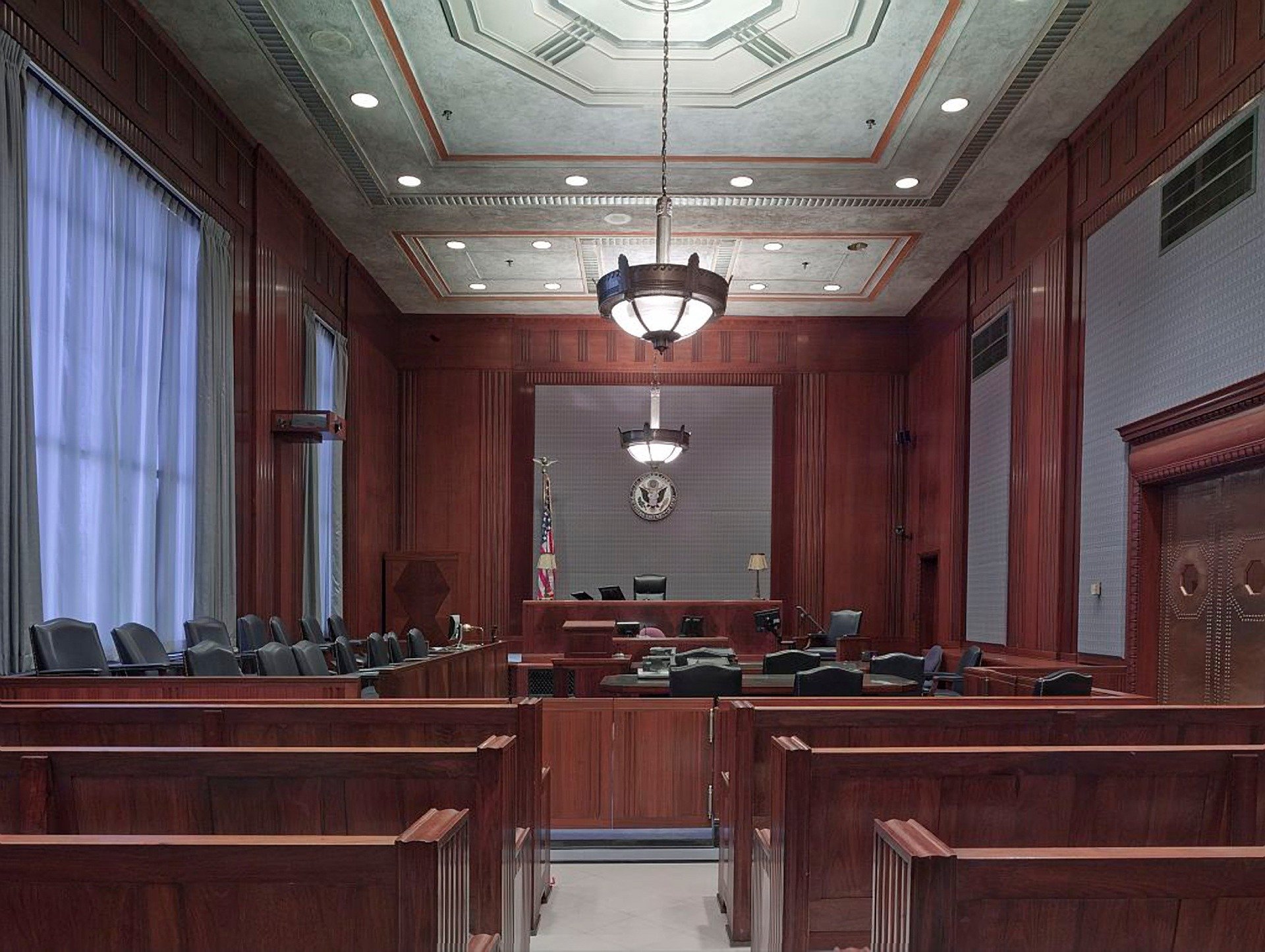

Karen Neoh, https://flic.kr/p/oKsCcL
The Court of King’s Bench of Alberta, in a November 7, 2025 decision, allowed the application of Chartered Professional Accountants of Alberta (CPAA) to restrict Mr. Saleh (Saleh) from filing complaints in its forum and dismissed Saleh’s cross-application.
Saleh is a member of the public “who has made complaints to the CPAA about the conduct of several of its registrants.” As a result of Saleh’s repetitive conduct and without “adequate gatekeeping authority” the CPAA sought to restrict Saleh’s future ability to file complaints. Saleh had filed multiple complaints in matters where the issue concerning the registrant had already been or was being addressed. Saleh had also made multiple, repeat, and burdensome requests for information that could not be provided given privacy laws. CPAA wants Saleh to be required to obtain an order granting leave to file future complaints.
Saleh filed a cross-application seeking injunctive relief against the CPAA in which he sought disclosure of all records relating to his interactions with the CPAA, directed CPAA to provide accommodations, requested a third-party investigator, and requested declarations of procedural fairness.
In its application, the CPAA requested assistance under the Court’s inherent jurisdiction as outlined in Carter v Alberta (Ministry of Justice and Solicitor General), 2019 ABQB 491, where the court concluded that a superior court has authority “to intervene and impose gatekeeping functions in relation to a tribunal, administrative body, or other subordinate entity.” Inherent jurisdiction is applied in matters that require assurance that there is proper administration of justice when a body is powerless to act. Notably, however, a tribunal should “attempt to manage frivolous, vexatious, or abusive processes itself before first involving the courts.” See Makis v Alberta Health Services, 2020 ABCA 168.
Upon review, this Court identified several interactions that, when “viewed collectively, are an abuse of process.” For example, four (4) separate complaints were filed against a registrant for the same conduct, all of which were dismissed after separate reviews by the Complaints Inquiry Committee Secretary. In a period of three (3) years, Saleh brought eight (8) professional conduct complaints basically arising from the same facts as well as “onerous” requests for information. Saleh’s conduct is viewed as “abusive and vexatious,” and granting his cross-application would be inappropriate.
CPAA application granted; Saleh’s cross-application is denied.